
`
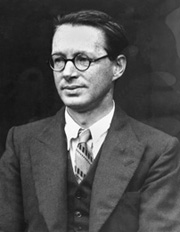
Ο πιο διάσημος Σκωτσέζος ποιητής που χρησιμοποιούσε την Αγγλική γλώσσα ήταν ο Edwin Muir, ένας από τους πιο ταπεινούς και μετριόφρονες λογοτέχνες του εικοστού αιώνα. Ο Μιούρ, που γεννήθηκε στα νησιά Orkney στο βόρειο τμήμα της Σκωτίας, χρειάσθηκε να παλέψει σκληρά για να καθιερωθεί. Για περίπου είκοσι χρόνια ζούσε μια άθλια ζωή στη Γλασκόβη. Το πρώτο του βιβλίο ― λογοτεχνικής κριτικής ― εκδόθηκε το 1918 (με το ψευδώνυμο E. Moore) όταν είχε ήδη περάσει τα τριάντα. Ο Μιούρ και η γυναίκα του Willa Muir [Γουίλα Μιούρ] έκαναν πολλές μεταφράσεις Γερμανών συγγραφέων, οι πιο σημαντικές από το έργο του Φραντς Κάφκα (1883-1924). Ο Μιούρ ήταν ένας από τους καλύτερους κριτικούς της εποχής του. Τα τρία μυθιστορήματά του ― The Marionette [Η μαριονέτα] (1927), The Three Brothers [Τα τρία αδέλφια] (1931) και Poor Tom [Ο καημένος ο Τομ] (1932) ― είναι υψηλού επιπέδου, όπως σημαντικές είναι οι διευκρινίσεις της περίπλοκης ευαισθησίας του. Ο Μιούρ, που δεν έτρεφε καμιά αγάπη για την δόξα και ανάδειξη, δίνει στην ποίησή του μια μοναδική ποιότητα. Ατυχώς αυτή η ποιότητα ήταν πολλές φορές υπεύθυνη για την έλλειψη γλωσσικής διάκρισης και ενεργητικότητας. Σπάνια μπορούσε να αναπτύξει ένα δικό του ρυθμό: η παραδοσιακής μορφής ποίησή του βασίζεται λίγο-πολύ σε έμμετρους κανόνες. Θα μπορούσε να πει κανείς ότι συχνά ξεφεύγει από τον ήχο της ίδιας του της φωνής. Κι όμως πρόκειται για έναν πραγματικά γνήσιο ποιητή, που απέφευγε τις Σκωτσέζικες και Αγγλικές παραδόσεις. Οι εμπνεύσεις του προήλθαν από μύθους και παραμύθια και παρατηρώντας τον φυσικό κόσμο των ζώων. Μείζων όμως ποιητής δεν ήταν μόνο επειδή στερείτο τους κατάλληλους τρόπους να εκφράσει το συνδυασμό φαντασίας και μεταφυσικής που χαρακτηρίζουν τη νοοτροπία του. Κι όμως είναι ένας ωραίος, αποδοτικός ποιητής,με ανεξάντλητο το χιούμορ μέσα του.
Ο αναγνώστης είναι έτοιμος να δεχτεί το κάπως επιτηδευμένο ύφος και την αμηχανία του, που προκύπτουν από το γεγονός ότι οι ποιητικές του ωθήσεις συνήθως ― και περιέργως ― αποτυγχάνουν να βρουν τα κατάλληλα λεκτικά πανομοιότυπα. Δεν είναι αισθησιακός ποιητής, και μερικές φορές έχει τάση προς μια ευνοήτως συμβολική, αφηρημένη γραφή που στερείται εμπειρική μνεία. Πάντως τα καλύτερά του ποιήματα έχουν τη δική τους ουσία. Η πρώτη ποιητική συλλογή τού Μιούρ εκδόθηκε το 1925. Τα Άπαντα δημοσιεύτηκαν το 1965. Το An Autobiography [Μια αυτοβιογραφία] (1954) ― αρχικά The Story and the Fable [Η ιστορία και ο μύθος] (1940) ― είναι δικαίως έργο κλασικό.
`
**************
Scotland 1941
We were a tribe, a family, a people.
Wallace and Bruce guard now a painted field,
And all may read the folio of our fable,
Peruse the sword, the sceptre and the shield.
A simple sky roofed in that rustic day,
The busy corn-fields and the haunted holms,
The green road winding up the ferny brae.
But Knox and Melville clapped their preaching palms
And bundled all the harvesters away,
Hoodicrow Peden in the blighted corn
Hacked with his rusty beak the starving haulms.
Out of that desolation we were born.
Courage beyond the point and obdurate pride
Made us a nation, robbed us of a nation.
Defiance absolute and myriad-eyed
That could not pluck the palm plucked our damnation.
We with such courage and the bitter wit
To fell the ancient oak of loyalty,
And strip the peopled hill and altar bare,
And crush the poet with an iron text,
How could we read our souls and learn to be?
Here a dull drove of faces harsh and vexed,
We watch our cities burning in their pit,
To salve our souls grinding dull lucre out,
We, fanatics of the frustrate and the half,
Who once set Purgatory Hill in doubt.
Now smoke and dearth and money everywhere,
Mean heirlooms of each fainter generation,
And mummied housegods in their musty niches,
Burns and Scott, sham bards of a sham nation,
And spiritual defeat wrapped warm in riches,
No pride but pride of pelf. Long since the young
Fought in great bloody battles to carve out
This towering pulpit of the Golden Calf,
Montrose, Mackail, Argyle, perverse and brave,
Twisted the stream, unhooped the ancestral hill.
Never had Dee or Don or Yarrow or Till
Huddled such thriftless honour in a grave.
Such wasted bravery idle as a song,
Such hard-won ill might prove Time’s verdict wrong,
And melt to pity the annalist’s iron tongue.
`
*
`
The Animals
They do not live in the world,
Are not in time and space.
From birth to death hurled
No word do they have, not one
To plant a foot upon,
Were never in any place.
For with names the world was called
Out of the empty air,
With names was built and walled,
Line and circle and square,
Dust and emerald;
Snatched from deceiving death
By the articulate breath.
But these have never trod
Twice the familiar track,
Never never turned back
Into the memoried day.
All is new and near
In the unchanging Here
Of the fifth great day of God,
That shall remain the same,
Never shall pass away.
`
*
The Castle
All through that summer at ease we lay,
And daily from the turret wall
We watched the mowers in the hay
And the enemy half a mile away
They seemed no threat to us at all.
For what, we thought, had we to fear
With our arms and provender, load on load,
Our towering battlements, tier on tier,
And friendly allies drawing near
On every leafy summer road.
Our gates were strong, our walls were thick,
So smooth and high, no man could win
A foothold there, no clever trick
Could take us, have us dead or quick.
Only a bird could have got in.
What could they offer us for bait?
Our captain was brave and we were true….
There was a little private gate,
A little wicked wicket gate.
The wizened warder let them through.
Oh then our maze of tunneled stone
Grew thin and treacherous as air.
The cause was lost without a groan,
The famous citadel overthrown,
And all its secret galleries bare.
How can this shameful tale be told?
I will maintain until my death
We could do nothing, being sold;
Our only enemy was gold,
And we had no arms to fight it with.